Prehospital transfusion programs have increased significantly in recent years. Controversy exists about the utility of the programs, the preferable blood components to be used, the challenges that must be addressed and the cost of this clinical intervention.
Using information learned by the Prehospital Blood Transfusion Initiative Coalition (PHBTIC), this discussion will address those challenges, the blood components available, costs associated with the programs and describe the current status of prehospital transfusion programs across the country.
Objectives:
Upon completion of the session, attendees will be able to:
• Identify the challenges facing EMS agencies and field clinicians in developing and conducting a prehospital blood transfusion program
o Outline:
Assessment of need
Stakeholder considerations
• EMS agencies
• Blood banking community
• Trauma, medical, OB engagement
Scope of practice considerations
• Initiation vs maintenance of transfusions
• Education requirements
Access to blood components
• Blood distribution centers vs blood banks
• Purchase vs rotational supply
Operational considerations
• Equipment requirements
• Regulatory requirements
• Educational requirements
• Outline the blood components available and their specific advantages and disadvantages
o Outline:
Considerations and indications for
• Whole blood (WB)
• Red blood cells (RBCs)
• Plasma
Adverse reactions
• Address the costs associated with conducting a prehospital blood transfusion program
o Outline:
Operations
• Storage and administration equipment
Education
Record keeping
Quality improvement
• Describe the current status of prehospital transfusion programs in the United States
o Outline:
Prehospital Blood Transfusion Coalition
Local access to blood components
National distribution of active EMS transfusion programs

Speakers:
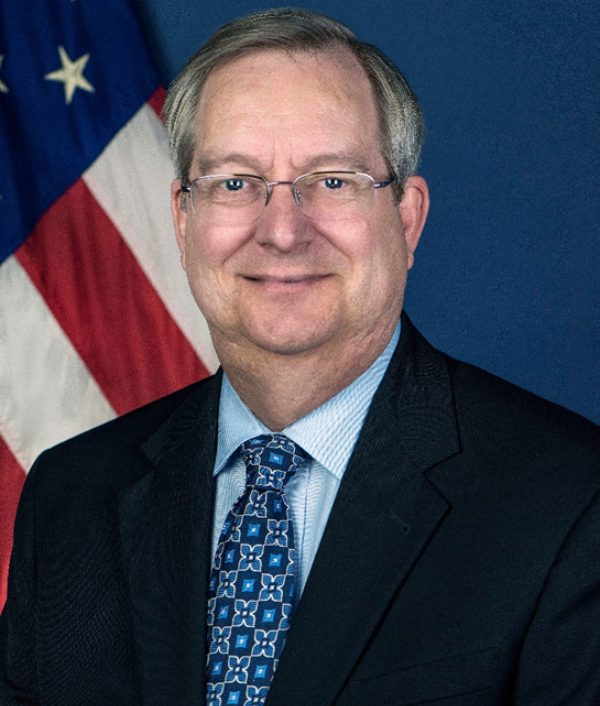
CEO/Principal
EMSMD, PLLC
Jon R. Krohmer, MD, FACEP, FAEMS is the CEO/Principal of EMSMD, PLLC and the Chair of the Prehospital Blood Transfusion Coalition. He started his almost 50-year EMS career as a volunteer EMT. He has previously served as the Director, USDOT NHTSA Office of EMS, the Deputy Chief Medical Officer of the US DHS Office of Health Affairs and the EMS Medical Director for Caroline County (MD) Department of...